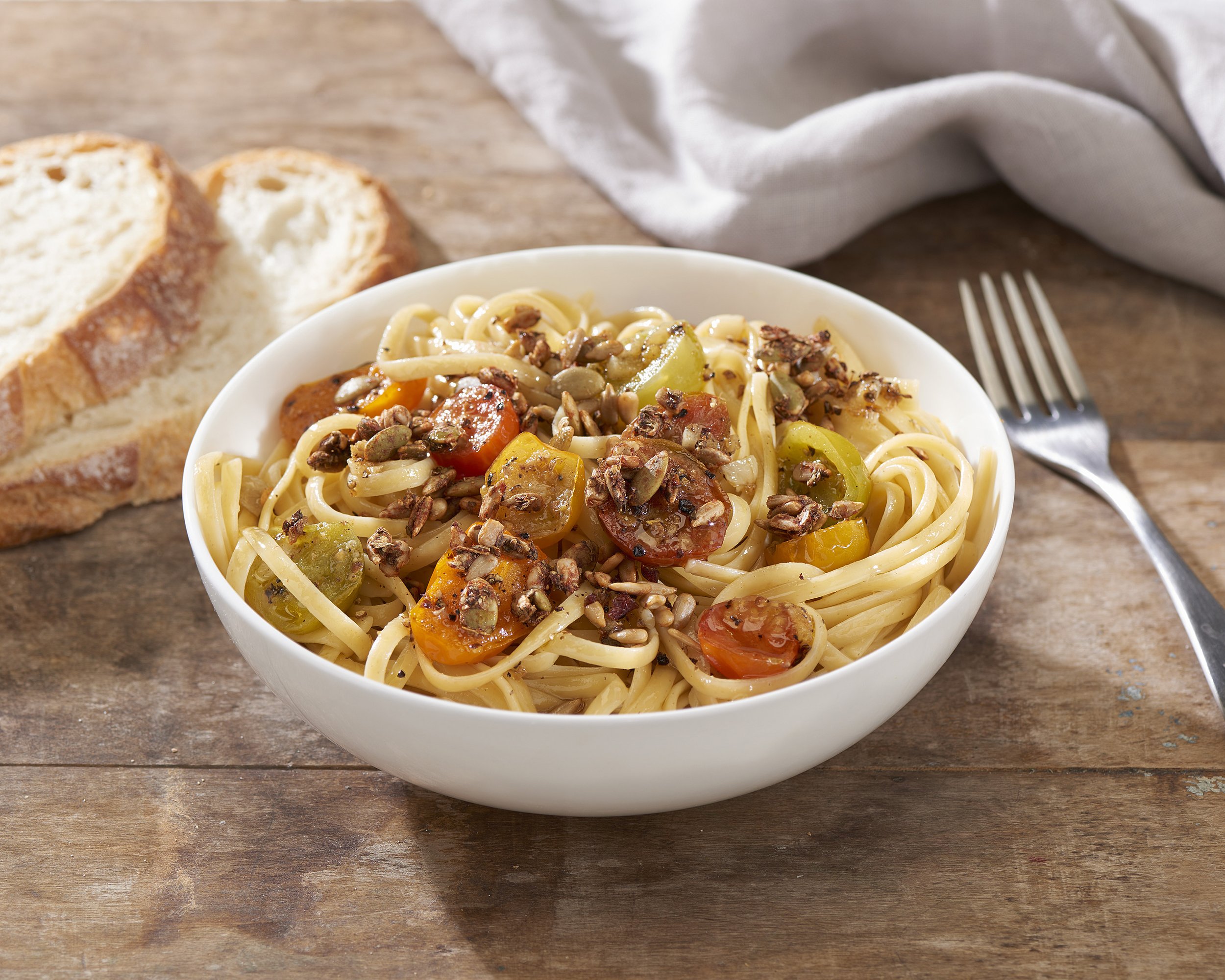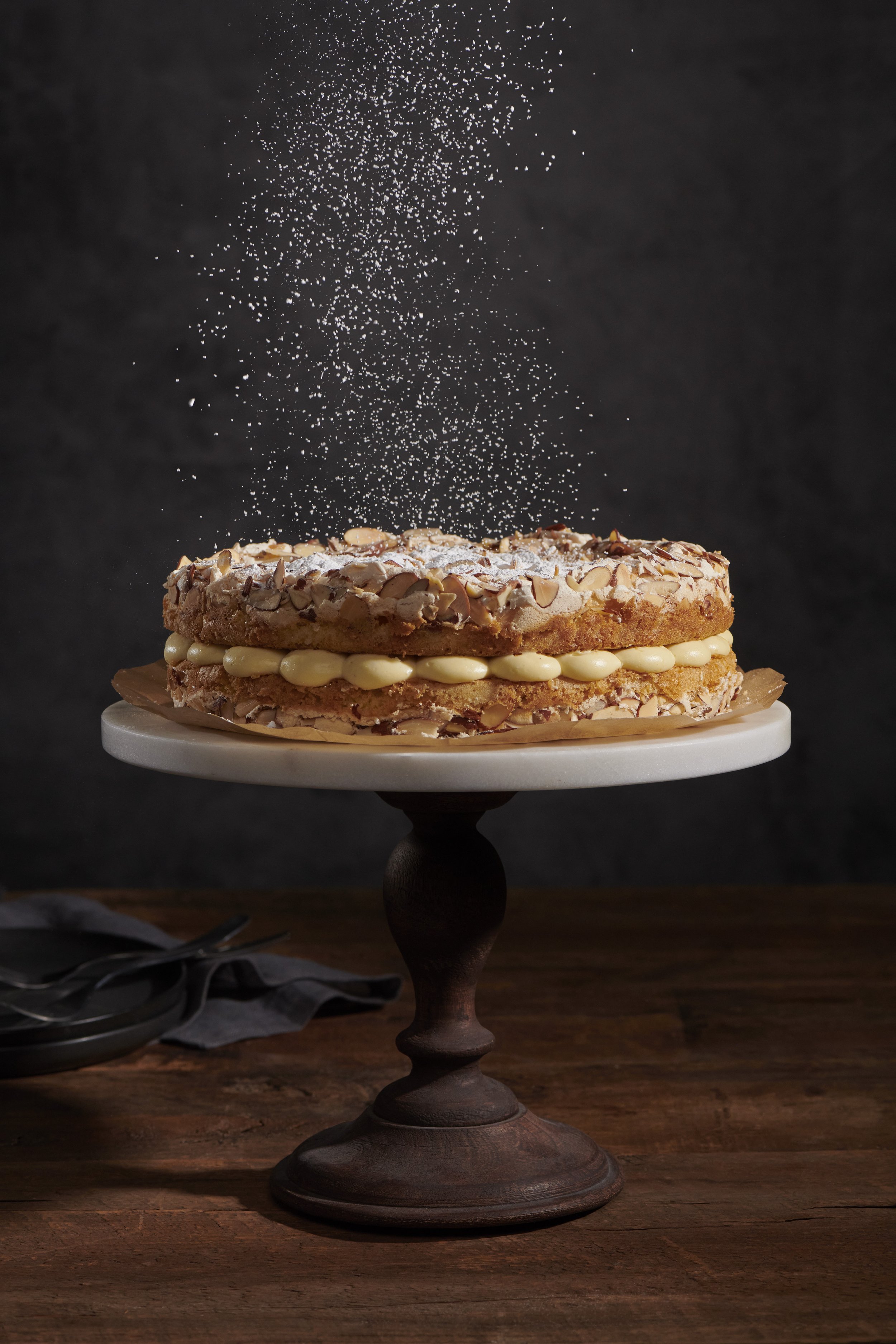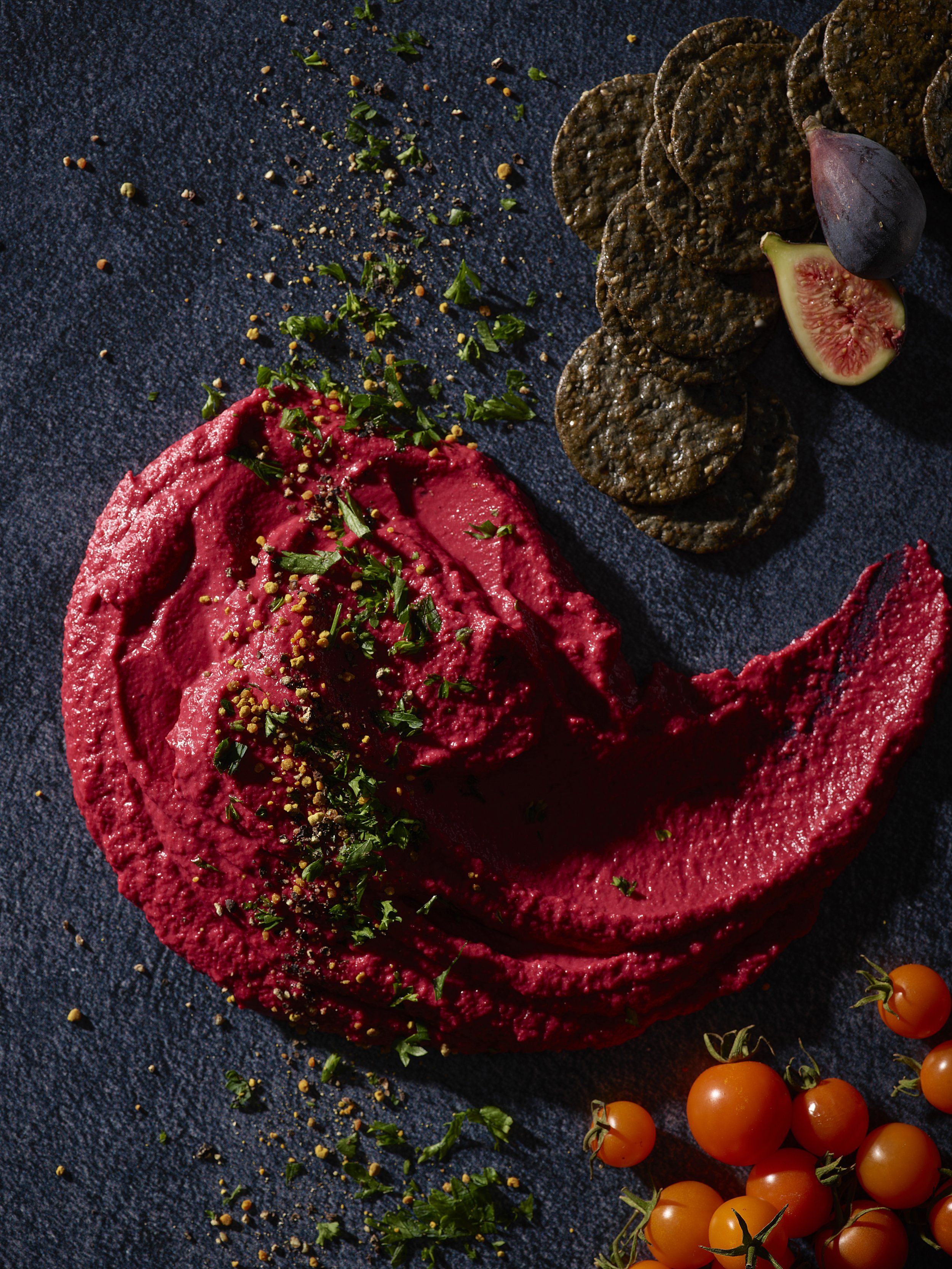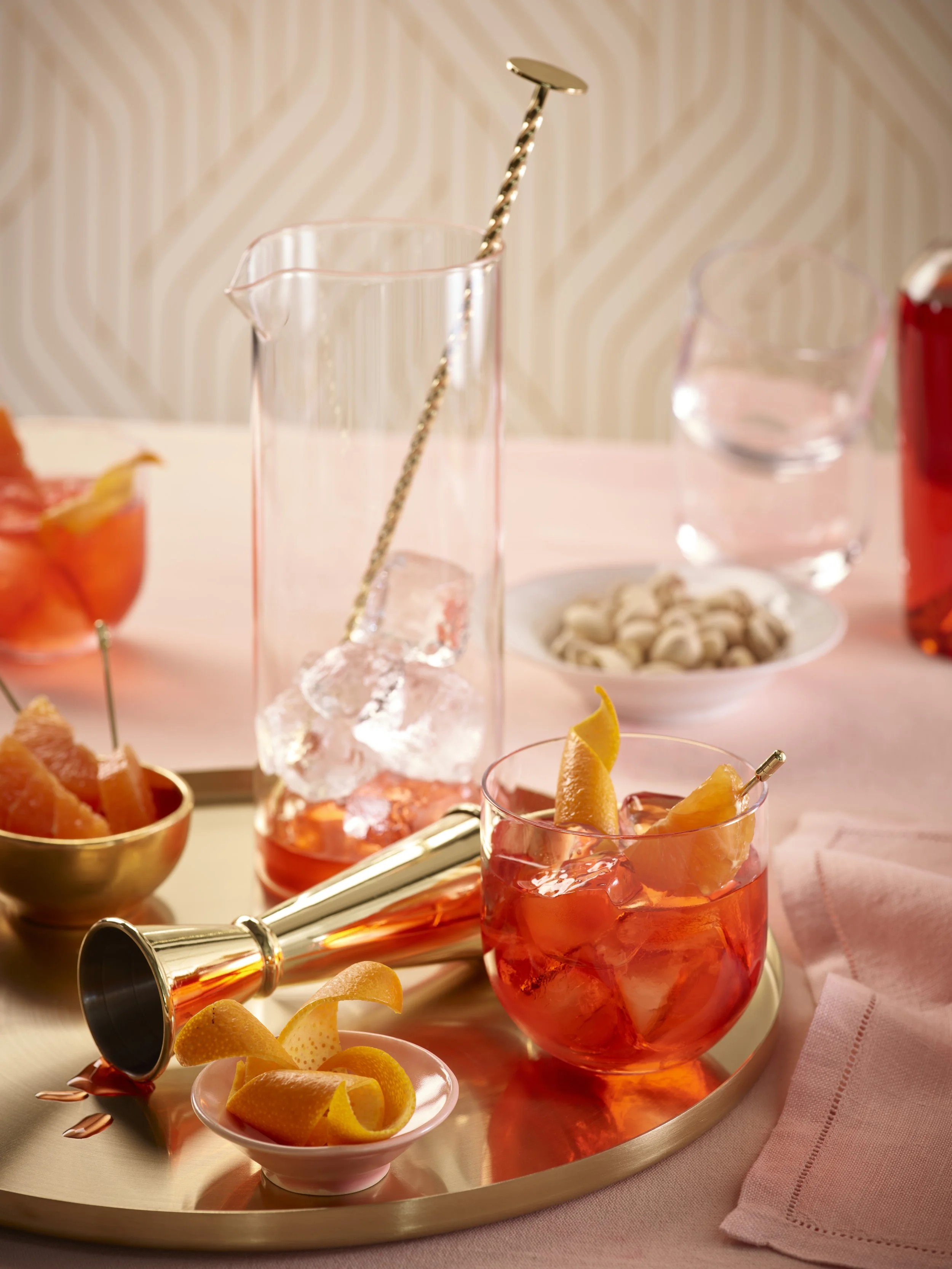
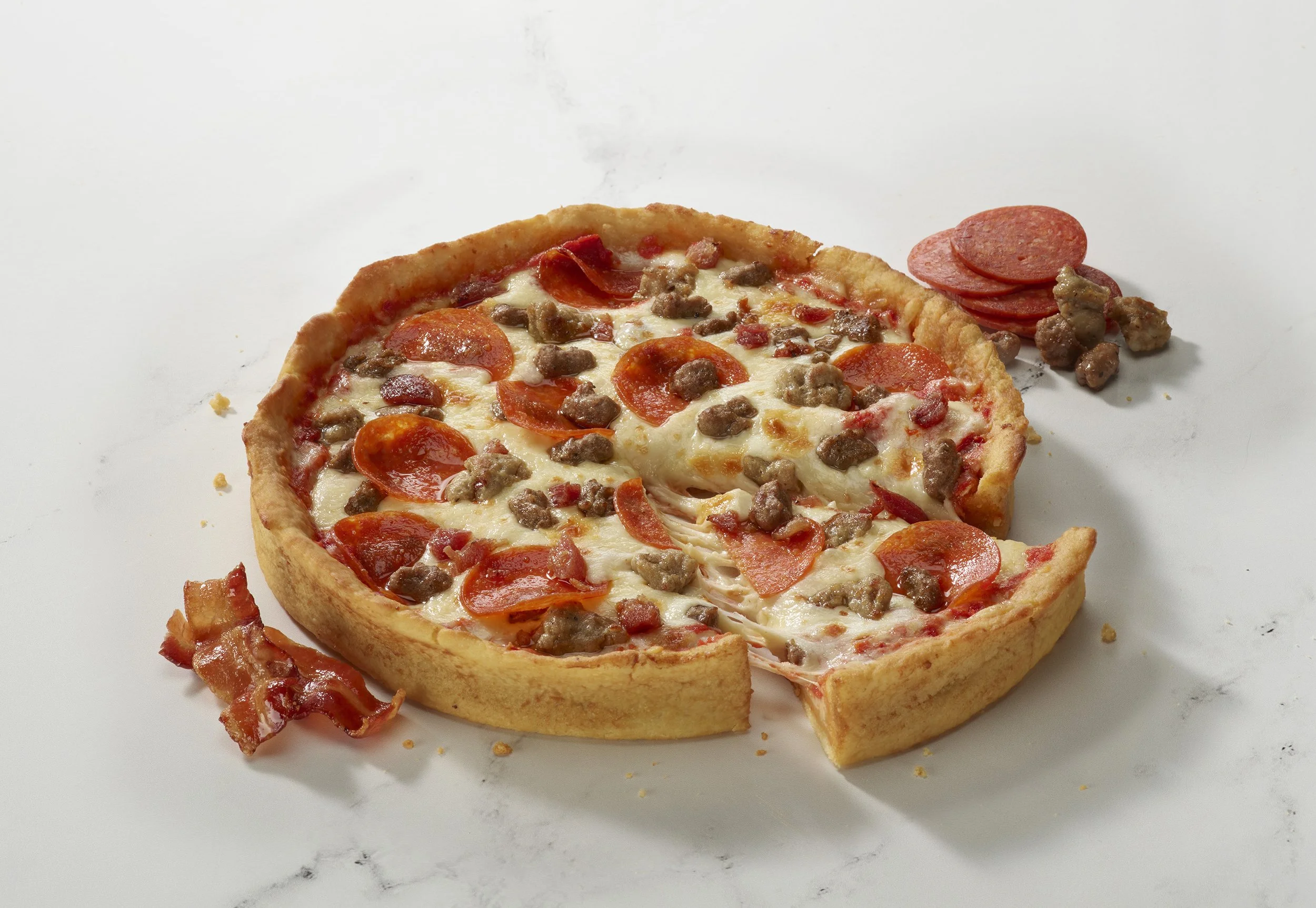
For Pizzeria Uno, our role was focused on the photography.
The packaging design system was already in place. Our job was to create the food imagery that would live inside it — the product, the surface, the ingredients, the crumbs, the texture, and all the supporting details that make the final package feel appetizing.
These were not studio photos designed to stand alone. They were packaging assets. Every image was shot with the final box in mind.
That meant thinking less like a single hero photo and more like a set of pieces that needed to come together: the main product, the background surface, the ingredient props, the shadows, the scale, and the negative space needed for branding, flavor names, claims, badges, and required packaging information.
The final result may look simple on shelf, but there is a lot happening underneath it.
Photography Built for Packaging
Food photography for packaging has to do a very specific job.
It needs to make the product look craveable, but it also has to work inside a layout. The image has to hold up behind logos, flavor panels, nutrition callouts, serving suggestions, net weights, USDA marks, and all the other information that needs to live on the box.
That changes how you shoot.
The product cannot fill the frame just because it looks good that way. The background cannot be too busy. The ingredient props cannot fight with the typography. The shadows need to add dimension without making the package feel heavy. The food needs to feel warm and full, but still clear enough to read quickly in a freezer aisle.
For Pizzeria Uno, we created photography that could work as part of the packaging system — not separate from it.
The Product Plate
The product plate is the appetite driver.
This is the part of the image that has to do the most work. It shows the shopper what they are buying before they read the flavor name.
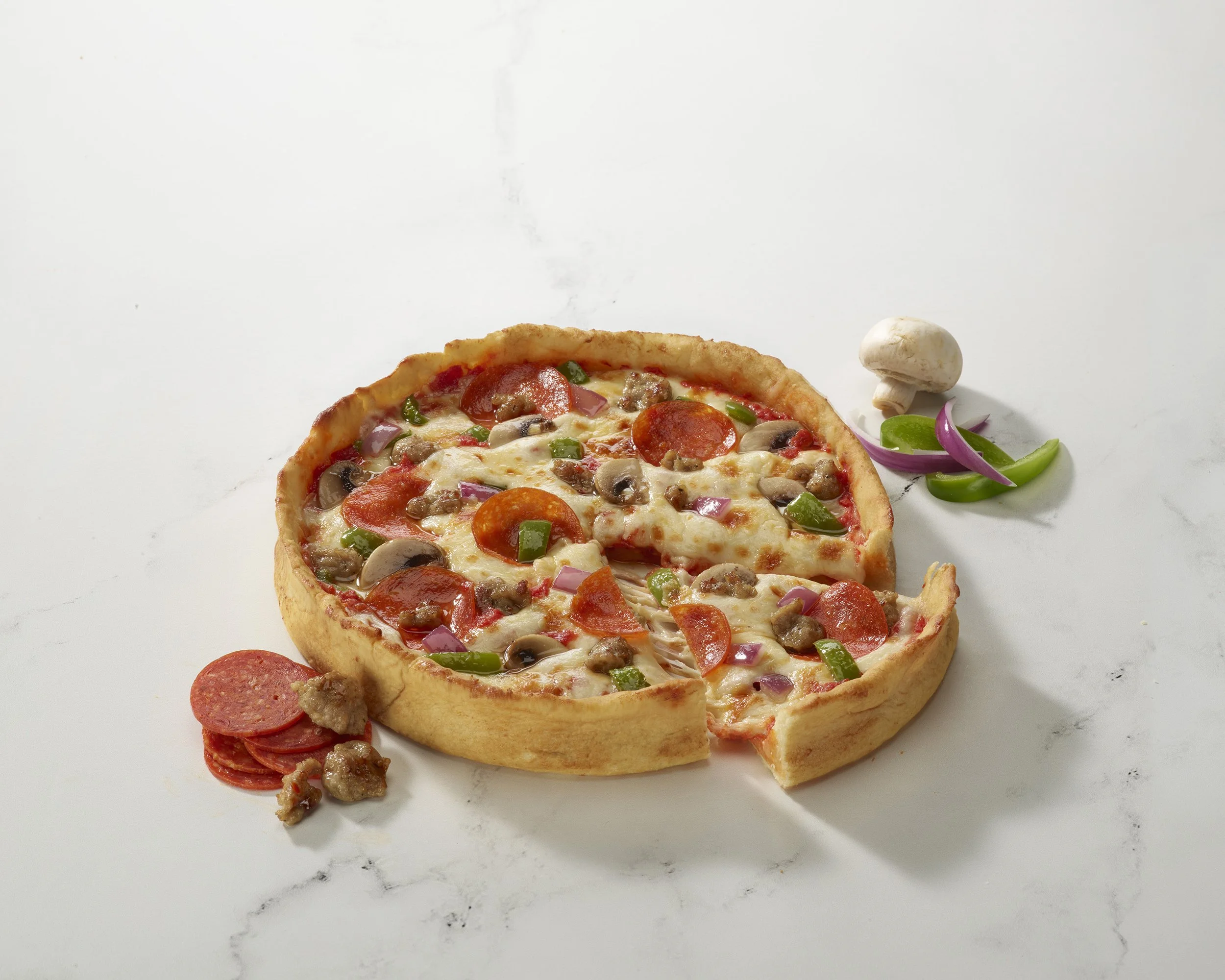
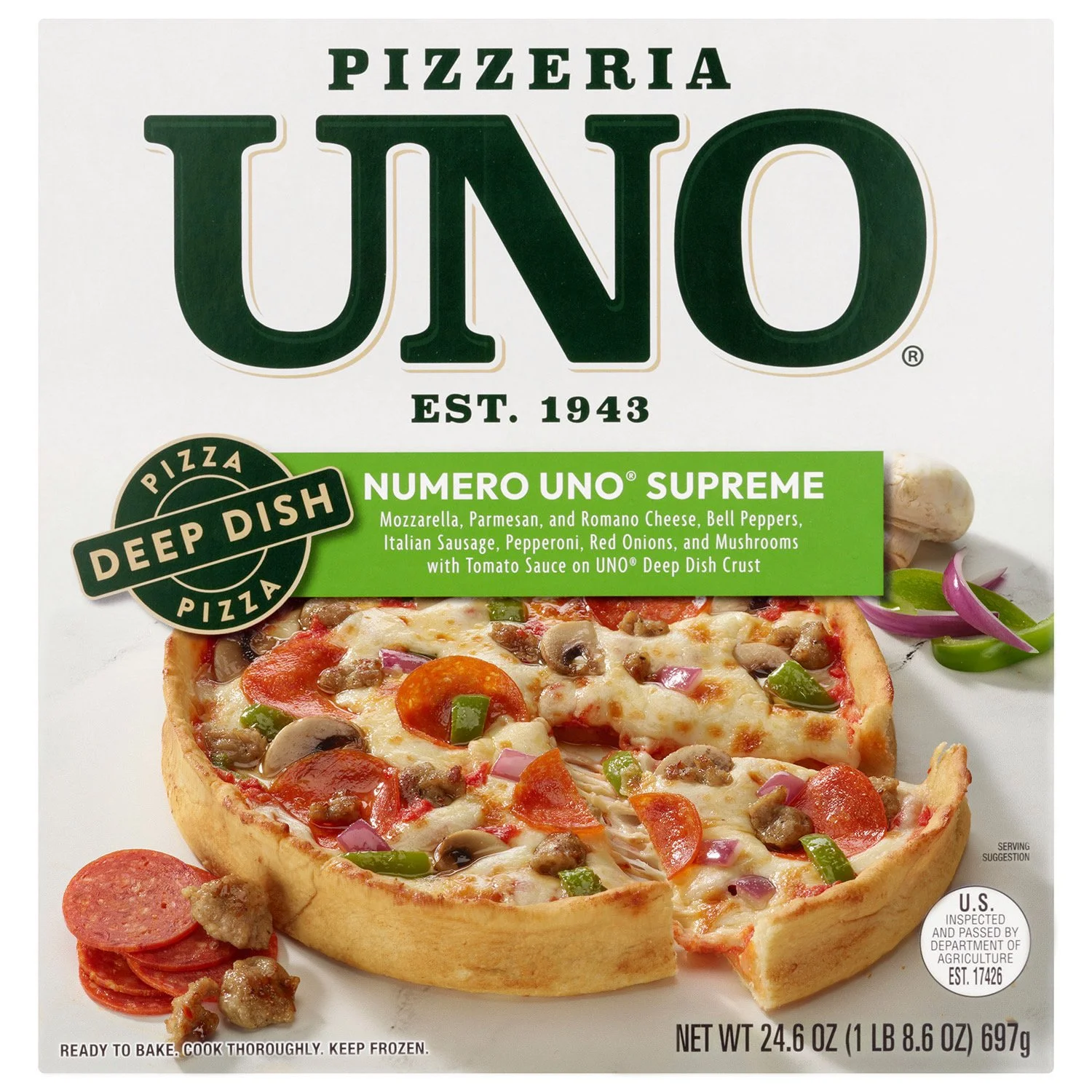
For the Numero Uno Supreme Deep Dish Pizza, that meant showing the height of the crust, the melted cheese, the cut slice, and the toppings in a way that felt full and generous. The pizza needed to feel loaded, but not messy. Warm, but still controlled. Real, but still package-ready.
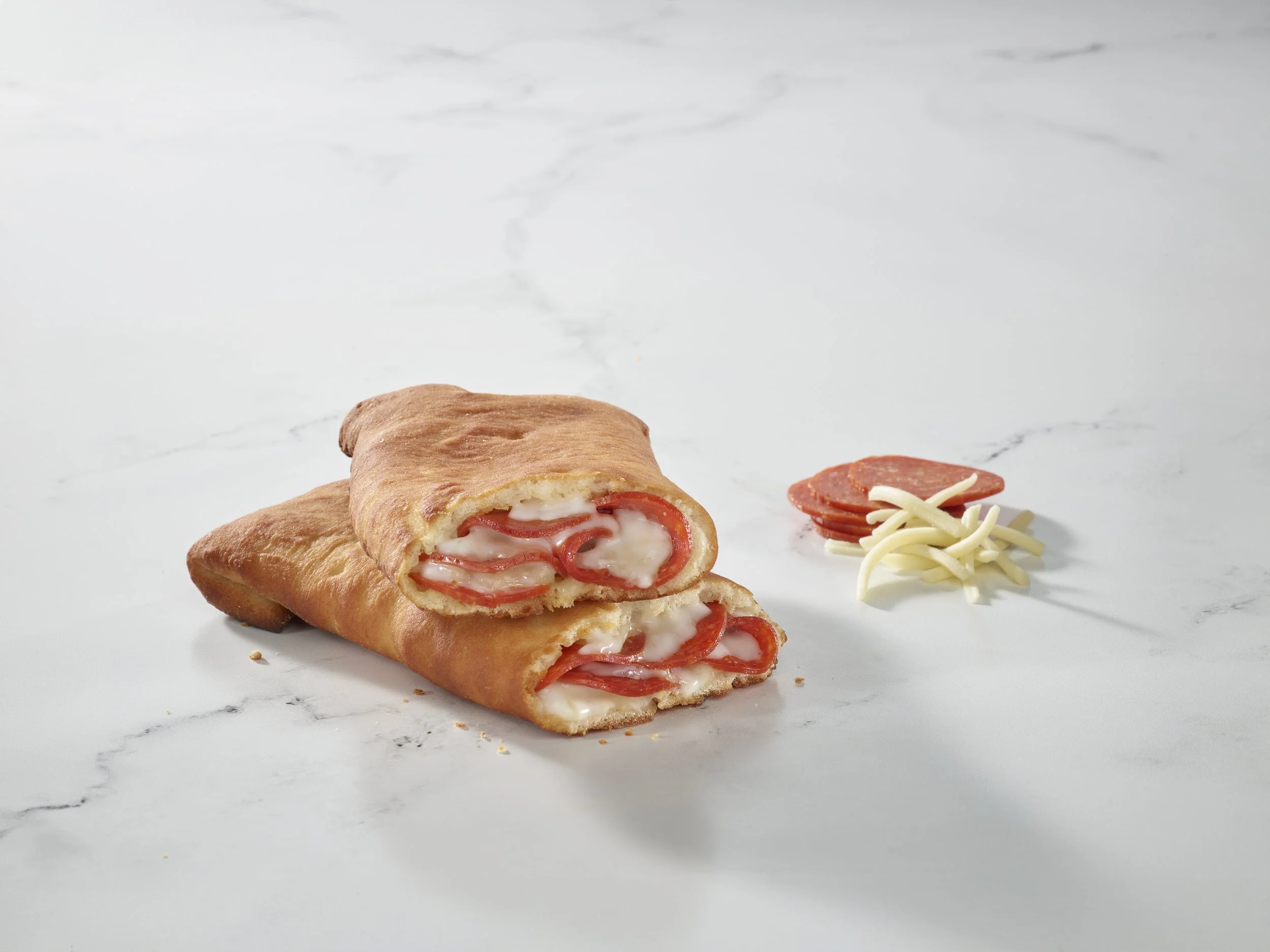
For the calzones, stromboli, and Tastefulls, the cutaway became the most important part of the shot. The outside crust gives the product warmth, but the filling tells the story. Pepperoni, cheese, ham, steak, and sauce all needed to be visible and easy to understand.
The goal was not to create an editorial food moment.
The goal was to create the clearest, most appetizing product read for the box.
The Surface Plate
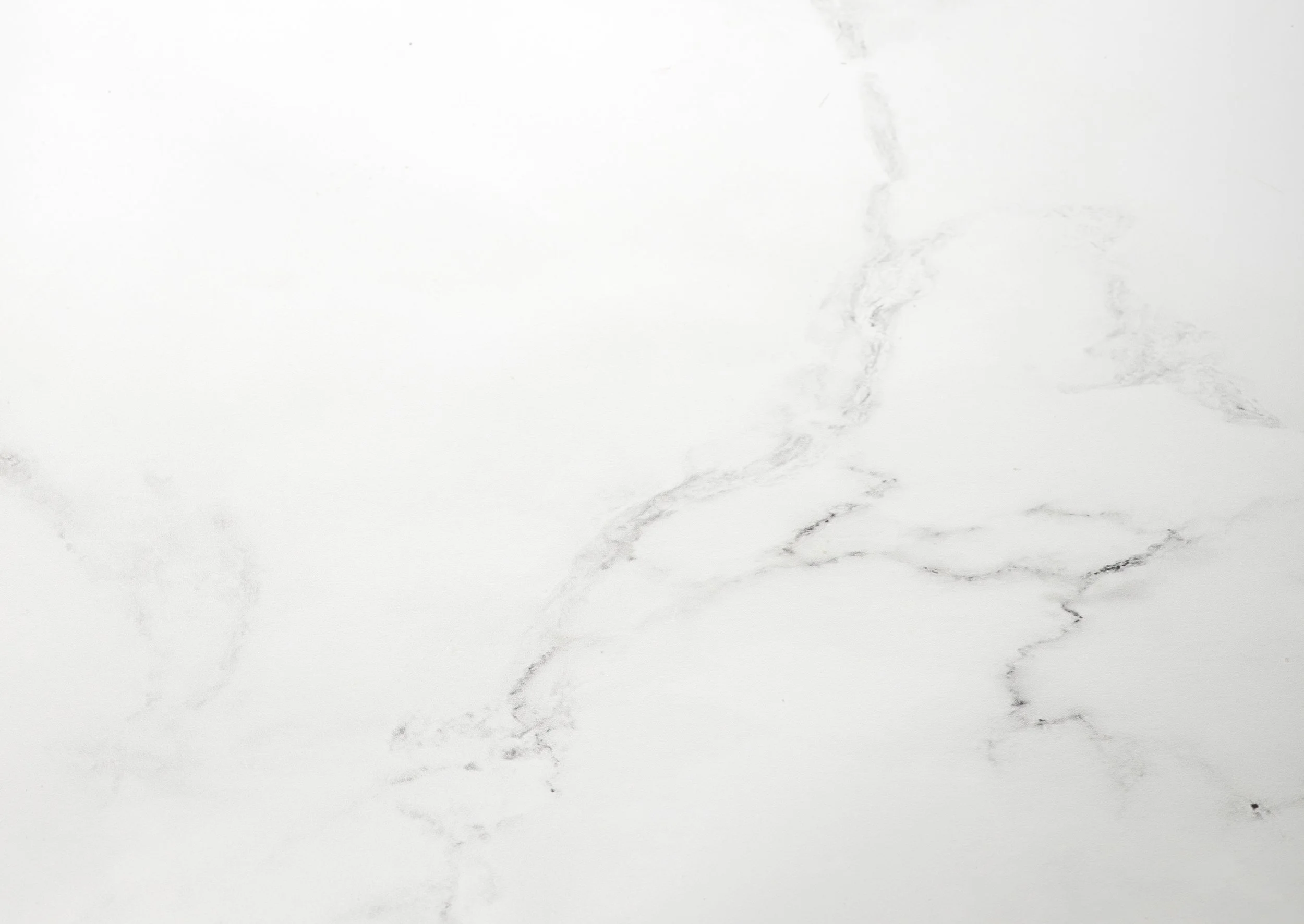
The surface matters because it becomes the world of the package.
For this project, the clean white marble surface gave the line a bright, simple base. It helped the food stand out, gave the layouts enough breathing room, and created consistency across different products.
A surface like this has to be quiet, but not empty. The subtle veining adds texture without overwhelming the package. It gives the food a place to sit, while still leaving space for the design elements that need to be added later.
That balance is important.
Too much texture would compete with the logo and product information. Too little texture would make the image feel flat. The surface plate helped everything feel clean, dimensional, and connected across the product line.
The Ingredient Plates
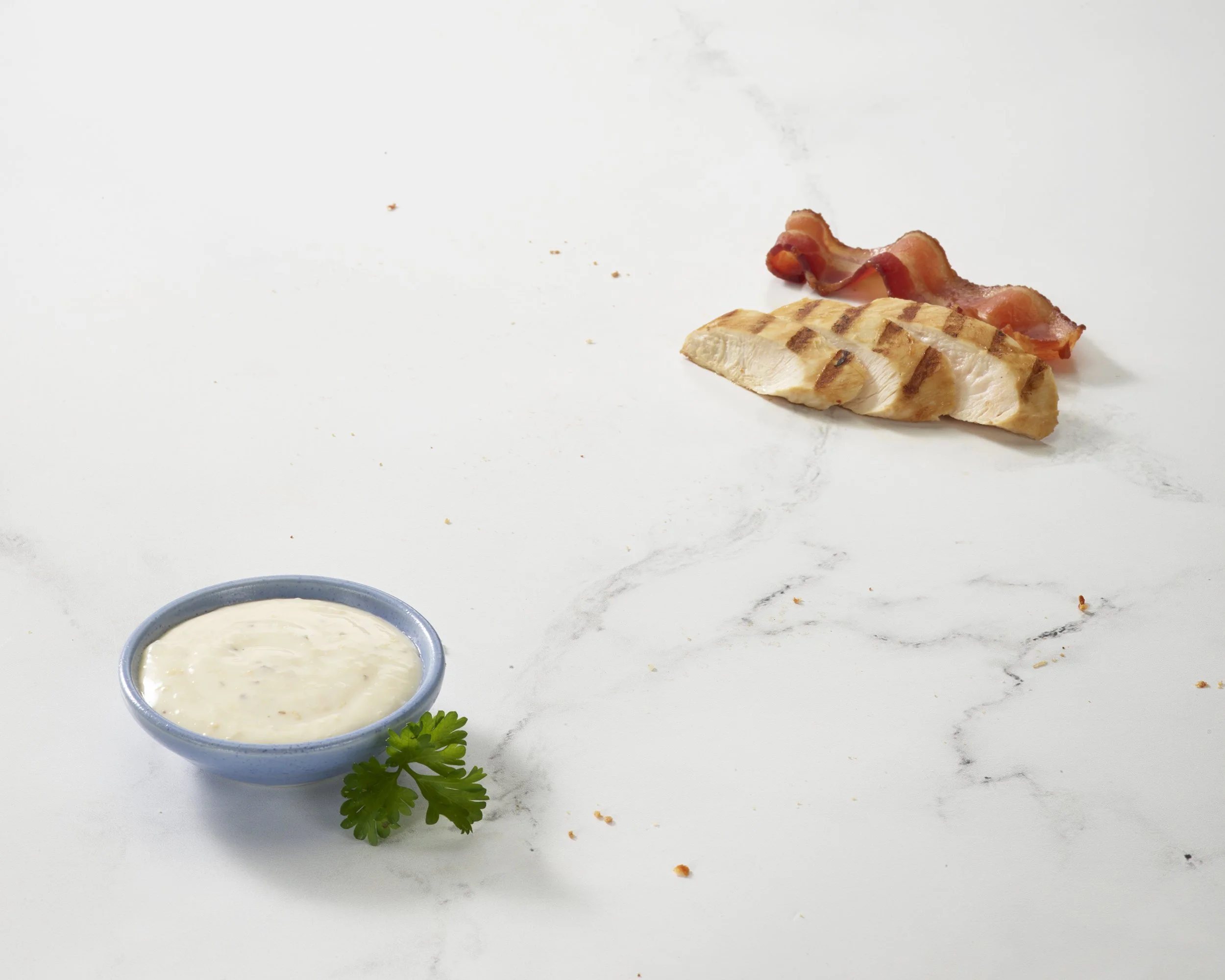
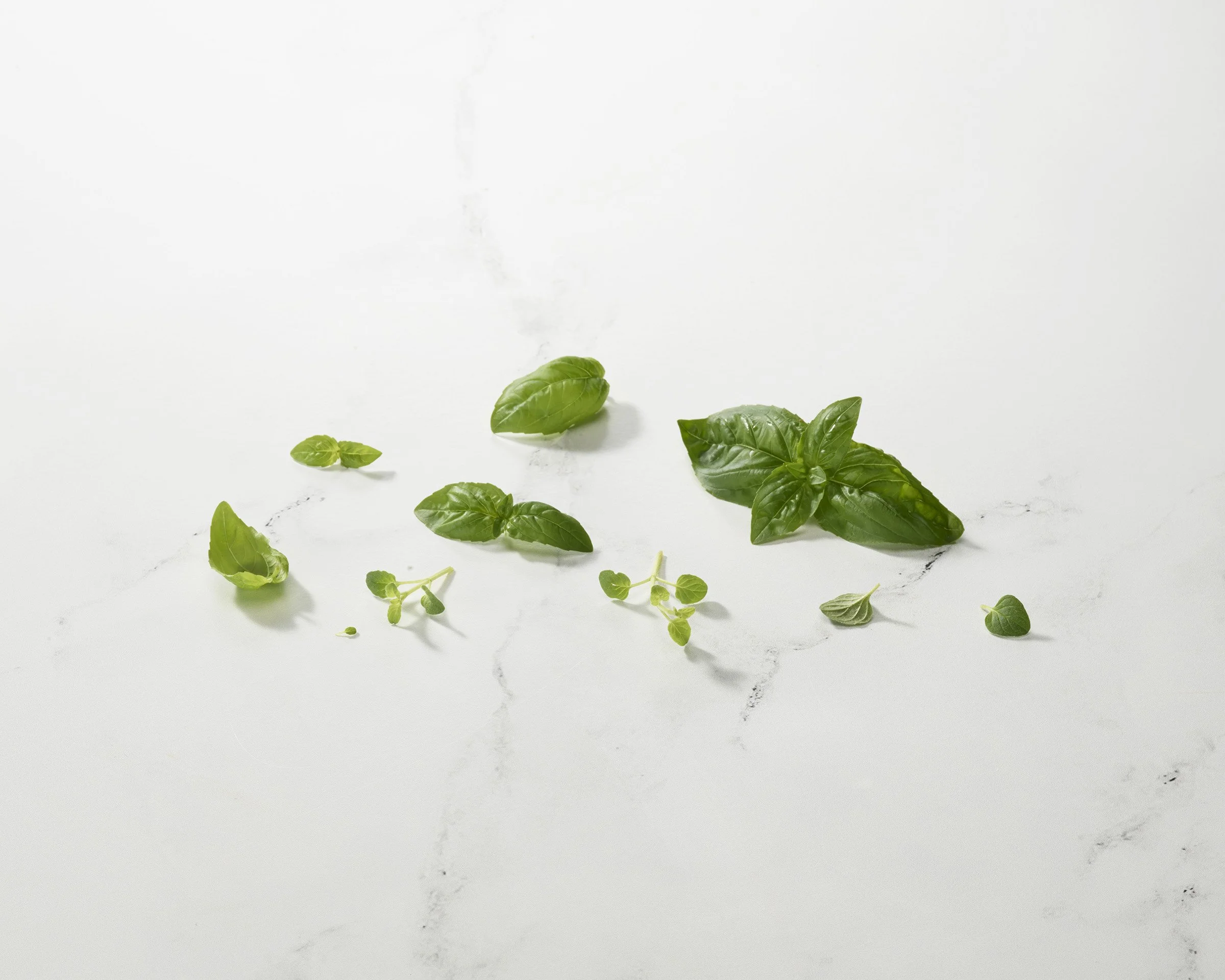
The ingredient plates are where the flavor cues come in.
These are the small details that support the product without taking attention away from it: basil, pepperoni, cheese, peppers, onions, mushrooms, steak, sauce, herbs, crumbs.
On their own, they are simple. Inside the packaging layout, they help explain the flavor, add freshness, and make the food feel more abundant.
For the Supreme Deep Dish Pizza, the ingredient styling reinforced what was already visible on the pizza: pepperoni, sausage, mushrooms, green peppers, and red onions.
For the Calzone and Stromboli products, the props leaned into meats, cheese, and crust texture.
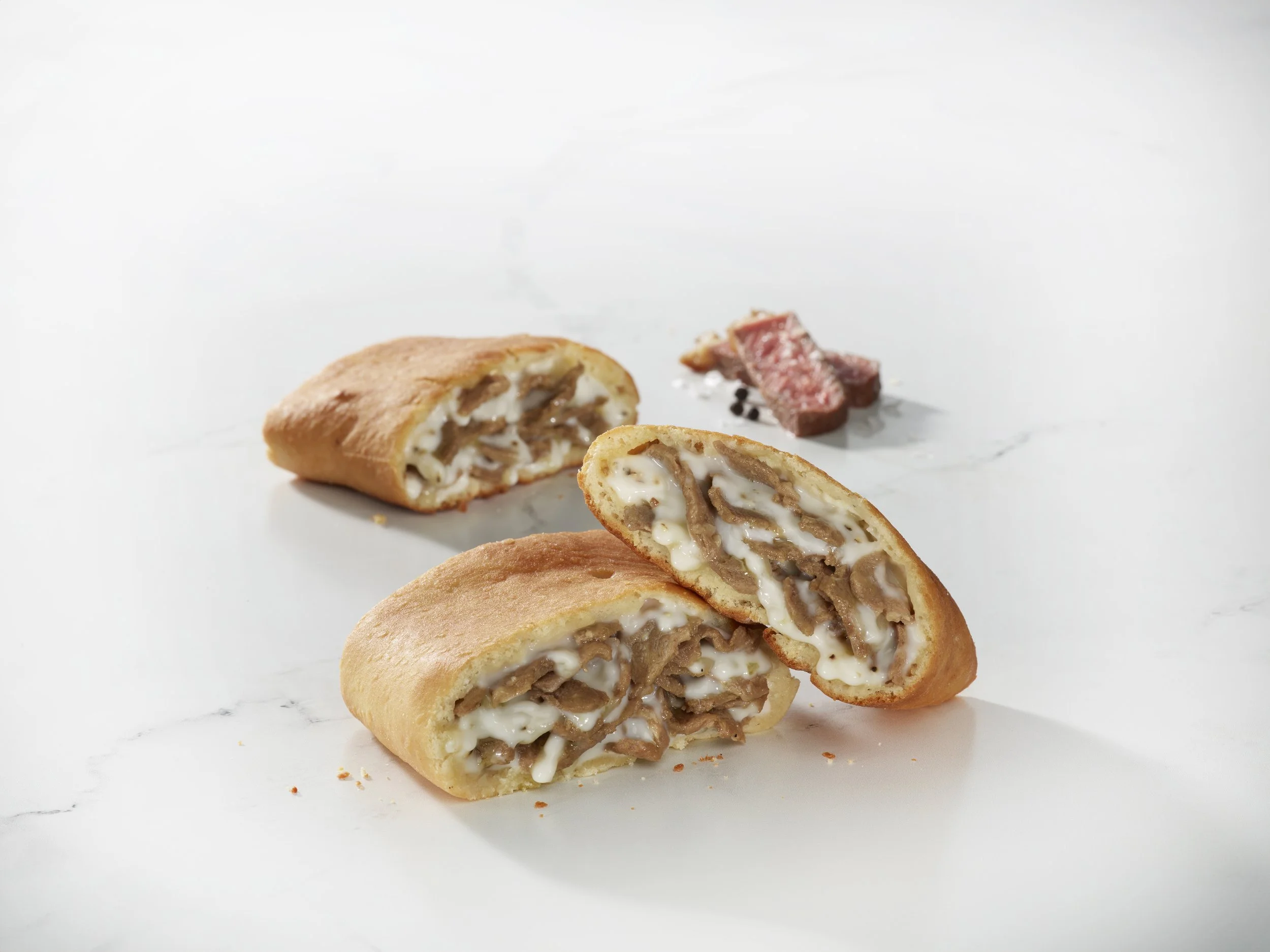
For Steak & Cheese Tastefulls, the styling needed to support the filling with cues that felt hearty and savory.
These details are not decorative extras. They are part of how the shopper understands the product quickly.
How the Plates Come Together
The finished package is where all of the photography has to work at once. The product plate brings appetite. The surface plate creates consistency. The ingredient plates add flavor and context.
The design system adds the brand, product name, claims, and required information.
When everything comes together correctly, the package feels natural. The shopper does not see all the separate decisions. They just see the product clearly and, ideally, want to pick it up.
That was the point of the photography.
Not to create images that lived separately from the box, but to create the pieces the box needed in order to work.
Product Examples
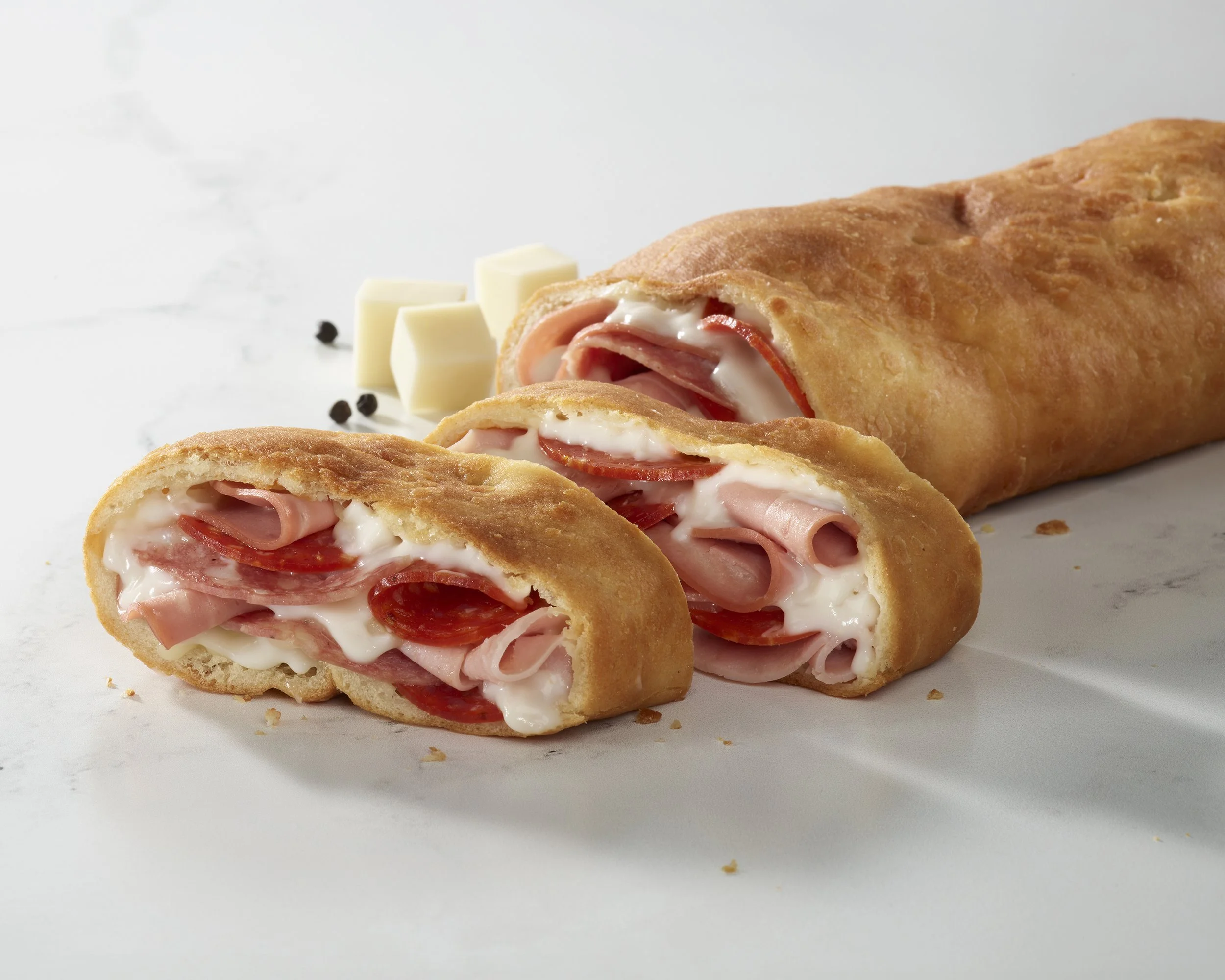
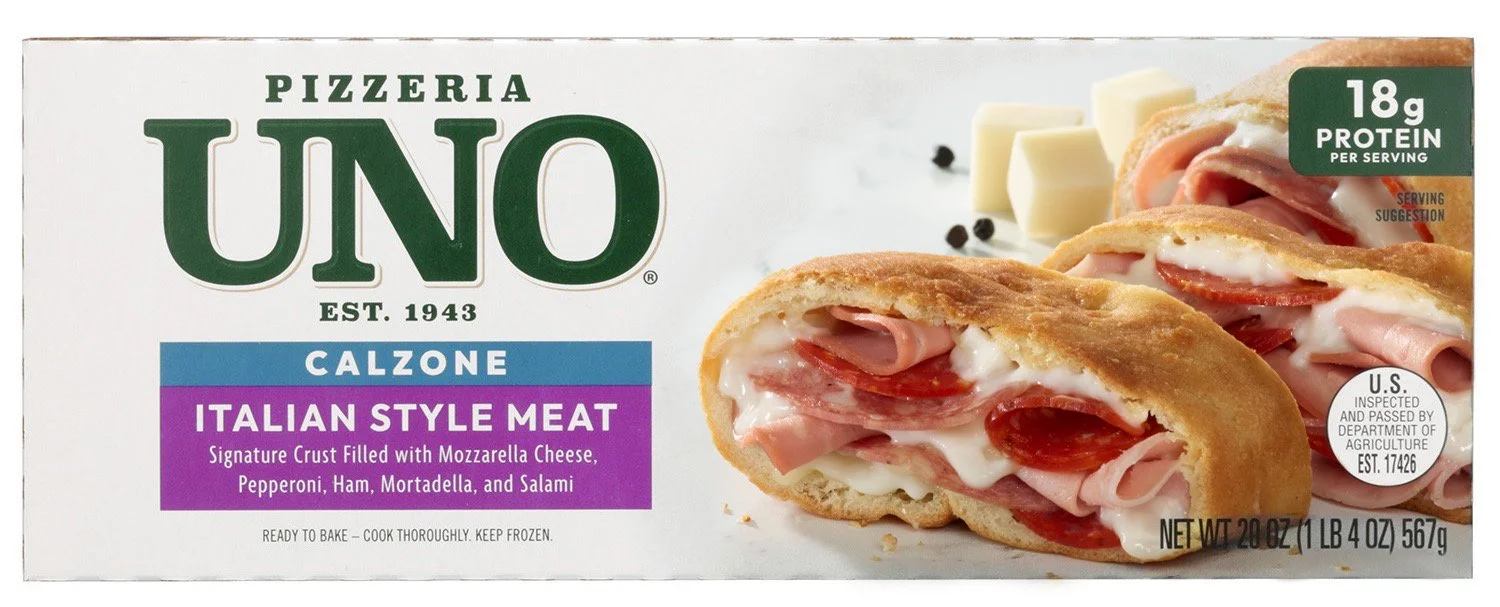
Italian Style Meat Calzone
The calzone photography depended on the cutaway.
Because the outside of the product only tells part of the story, the filling needed to be visible, layered, and clear. The final packaging crop brings that interior forward so the shopper can quickly understand the flavor.
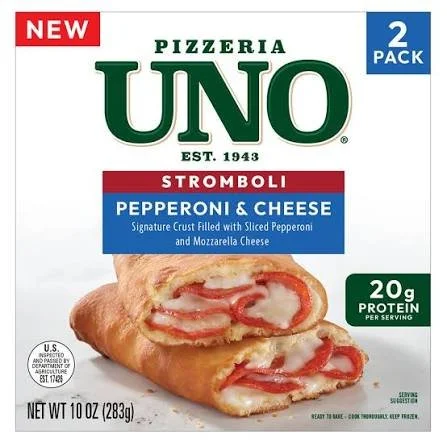
Pepperoni & Cheese Stromboli
For the stromboli, the photography needed to stay simple and direct. The golden crust gives warmth, but the pepperoni and cheese are the selling point.
The final package uses the cutaway tightly, making the filling easy to read while still keeping the product clean and appetizing.
Steak & Cheese Tastefulls
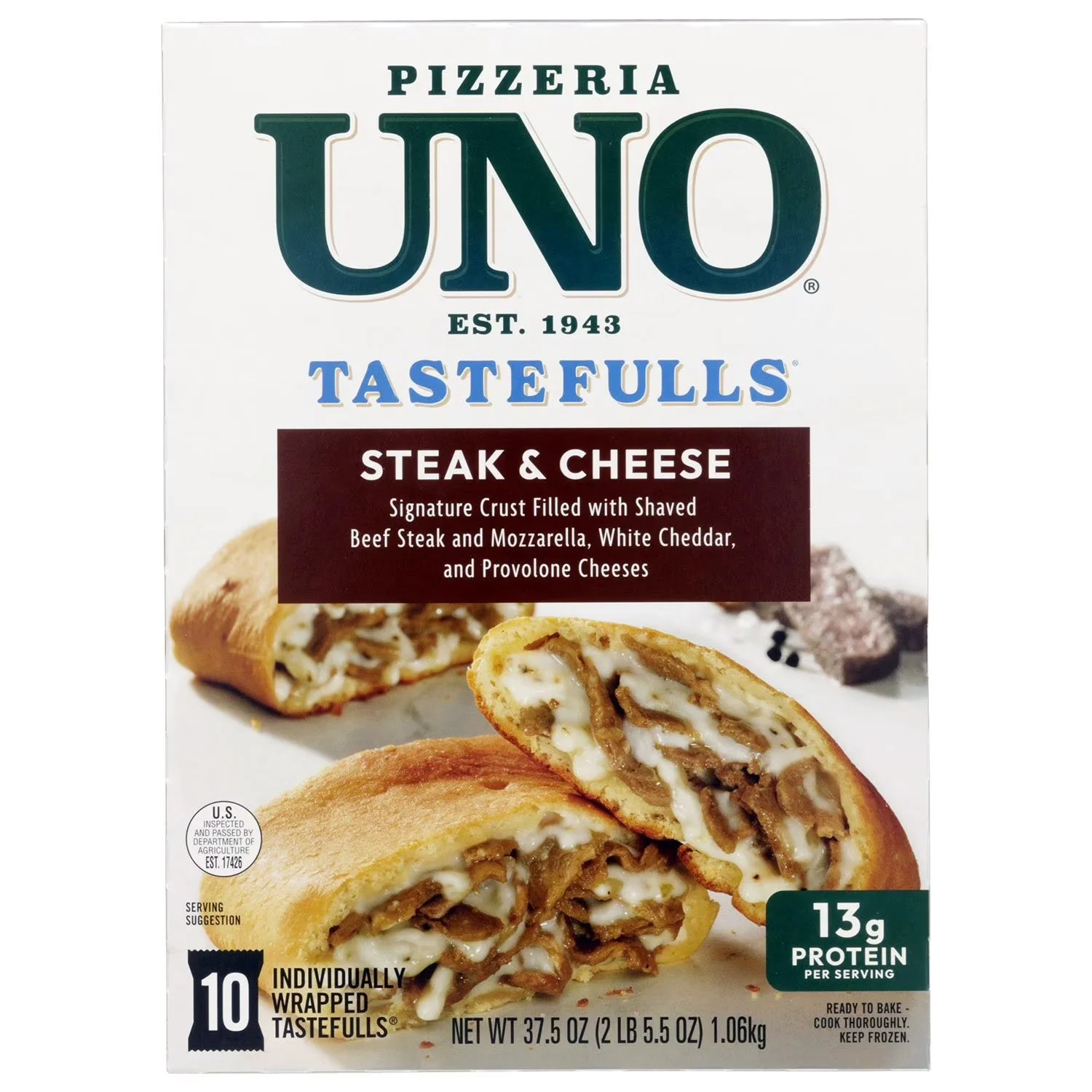
The Steak & Cheese Tastefulls needed a hearty, filled look. The photography had to show the shaved beef and melted cheese clearly, while keeping the crust golden and appealing.
On the package, that filling becomes the hero. The product image helps explain the flavor before the shopper reads the full description.
Why It Matters
Packaging photography is not just about making food look good. It is about making food work inside
a package.
For Pizzeria Uno, we created the photographic pieces that helped the final boxes feel clear, consistent, and appetizing across multiple products. Each shot was planned around how it would be used: where the logo would sit, where the flavor name would go, how much of the food needed to show, and which supporting ingredients would help tell the story.
The finished boxes bring all of those pieces together:
Product. Surface. Ingredients. Texture. Space. Appetite.
The photography is doing its job when it feels seamless — when all those separate plates come together and the final package simply feels right.
Planning a food packaging project? We create photography built to work where it matters most — on the package, on the shelf, and in the hands of the shopper. Let’s make your product look as good as it tastes.